Bean Day
What the day is
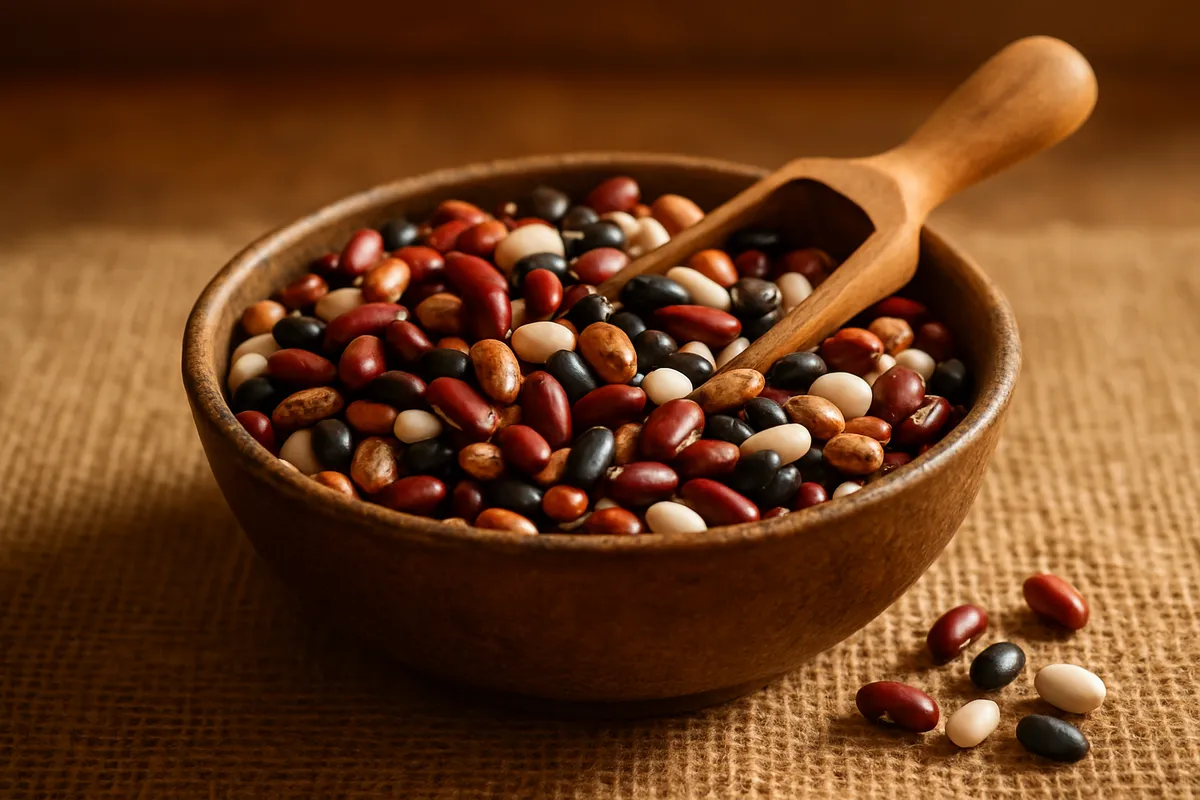
Bean Day is observed on January 6. The day has no documented origin, and it is one of those informal observances that exists mainly as an excuse to cook and enjoy something. In this case the food is the bean, one of the most useful and widely eaten crops in the world.
Beans suit the first week of January well. After the heavy meals of the holidays, a pot of beans is cheap, filling and good for you, and it feeds a crowd for very little.
Origin and background
Beans have been cultivated for thousands of years. Common beans, including kidney, black and pinto, were domesticated in the Americas, while broad beans and chickpeas were staples of the ancient Mediterranean and Middle East, and soybeans were grown in East Asia. They were often planted alongside corn and squash, the Three Sisters of Native American farming, because beans add nitrogen to the soil.
Nutritionally, beans are a rare combination of protein, fiber, iron and slow-release carbohydrates, which is why they are a staple for so many families. Dietary guidelines encourage eating more of them, and they cost little when bought dried.
January 6 is also Epiphany, the end of the twelve days of Christmas. In several European and Latin American traditions, a ring-shaped cake or a flaky pastry is baked with a small bean or figurine hidden inside, and whoever finds it is crowned king or queen for the day. The bean was the original token, and the figurine replaced it in many places.
How to take part
- Cook a pot of beans from dried: soak overnight, simmer until tender and season at the end.
- Try one you have not cooked before, such as cannellini, black-eyed peas or lentils.
- Make chili, red beans and rice, a bean soup or a simple salad with chickpeas and herbs.
- Thumb through a seed catalog and plan a few rows of green or dry beans for spring.
- Bake or buy a king cake for Epiphany, and hide a bean in it.
Celebrate Bean Day
As an Amazon Associate we earn from qualifying purchases. These links open Amazon search results.