The International Day of Awesomeness
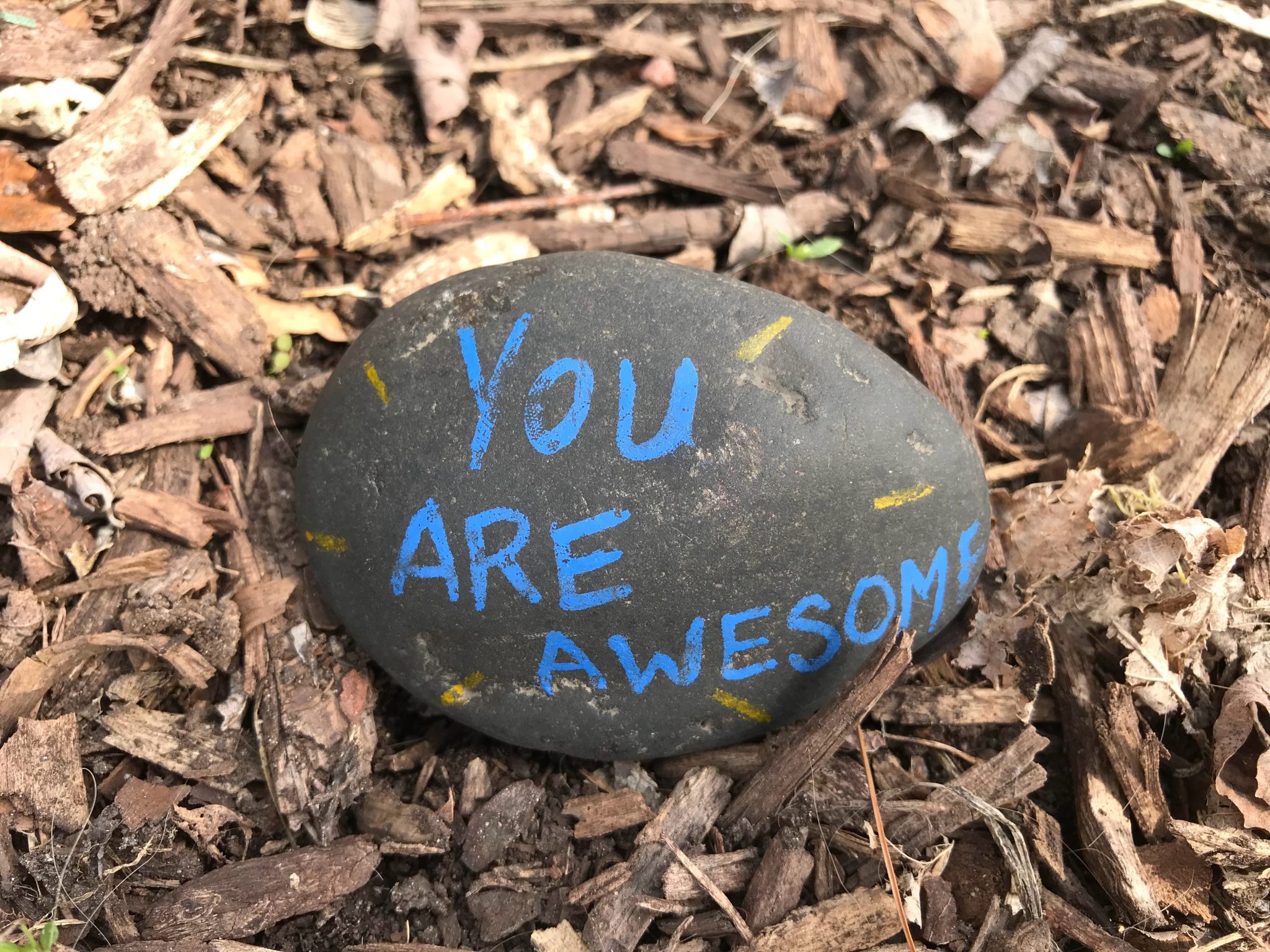
What the day is
The International Day of Awesomeness is observed on March 10. The record carries no description, and the word itself is the better subject.
Origin and background
Awe originally meant dread. The awesome was that which inspired fear and reverence together, the response appropriate to a deity or a storm, and awful, its near twin, has kept more of the original sense. Awesome then followed a path linguists call semantic bleaching, in which a strong word is used for emphasis so often that the force drains out of it and only the approval remains.
It has a great deal of company. Terrific meant causing terror. Tremendous meant causing trembling. Fantastic meant existing only in fantasy, and incredible meant not believable. Every one of them is now a mild compliment, and each was weakened by exactly the same process: people reached for the strongest available word until it stopped being strong.
The current argument about literally used as an intensifier is the same process in progress, and it is worth knowing that this use is not new. It appears in nineteenth-century literary prose, including in writers usually invoked as models of good English.
Meanwhile awe itself has become a research subject. Psychologists define it as the response to something vast enough that existing mental frameworks have to adjust, whether a landscape, a piece of music or an idea. Studies associate awe with reduced self-focus, with a sense that time is more abundant than usual, and with increased willingness to help others. It is one of the few emotions that reliably makes people feel smaller and better at the same time.
Which gives the day two readings: the drained word, and the thing it used to mean.
How to take part
- Seek out something genuinely vast. A mountain, a cathedral, a telescope image.
- Use awesome about something that warrants it, once.
- Trace another bleached word and find its original force.
- Let the literally argument go. It is centuries old.
- Notice how awe changes how much time you feel you have.
Celebrate The International Day of Awesomeness
As an Amazon Associate we earn from qualifying purchases. These links open Amazon search results.