Learn About Butterflies Day
What the day is
Learn About Butterflies Day is observed on March 14. The origin of the day is not documented, but the timing suits it. It falls in early spring, before most butterflies are on the wing in the northern hemisphere, so it is a good moment to learn about them and to plant for them before they arrive.
Butterflies are among the most recognizable insects, and they are also among the most studied. There are roughly seventeen to eighteen thousand species of them worldwide, found on every continent except Antarctica.
Origin and background
A butterfly goes through four stages in its life: egg, larva, pupa and adult. The larva, a caterpillar, eats and grows, shedding its skin several times. It then forms a chrysalis, inside which its body is rebuilt, and finally emerges as a winged adult. This complete transformation is called metamorphosis. Butterflies differ from moths in a few ways, although not all of them hold in every case: butterflies usually fly by day, rest with their wings upright and have thin antennae with clubbed tips.
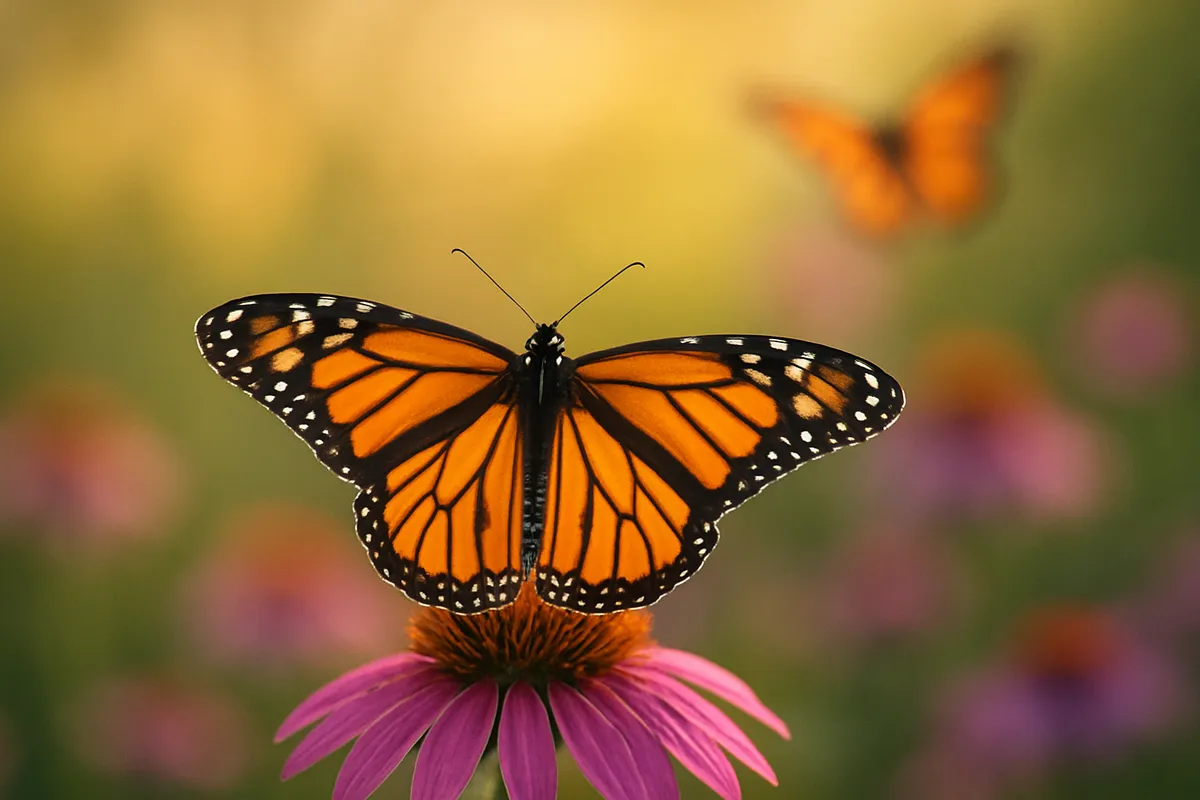
The best-known migrant is the monarch, which in eastern North America travels up to about three thousand miles each autumn to overwintering sites in the mountain forests of central Mexico. No single butterfly makes the full round trip. It takes several generations to return north in spring. Monarch numbers have fallen sharply in recent decades, and scientists point to the loss of milkweed, the only plant on which monarch caterpillars feed, as well as habitat loss, pesticides and climate change.
Gardeners can help. Butterflies need two kinds of plants: host plants where caterpillars feed, and nectar plants for adults. Planting both, and avoiding pesticides, makes a real difference.
How to take part
- Learn the life cycle by watching a video or reading a field guide, and share it with a child.
- Plan a butterfly garden with native milkweed, coneflowers, asters and other nectar plants.
- Visit a butterfly house or conservatory, which are often open in winter and early spring.
- Take part in a citizen science project, such as monarch tagging or butterfly counts, in the season ahead.
- Skip pesticides in your garden, and leave a corner a little wild, with leaf litter and flowering weeds.
Celebrate Learn About Butterflies Day
As an Amazon Associate we earn from qualifying purchases. These links open Amazon search results.