Vesuvius Day
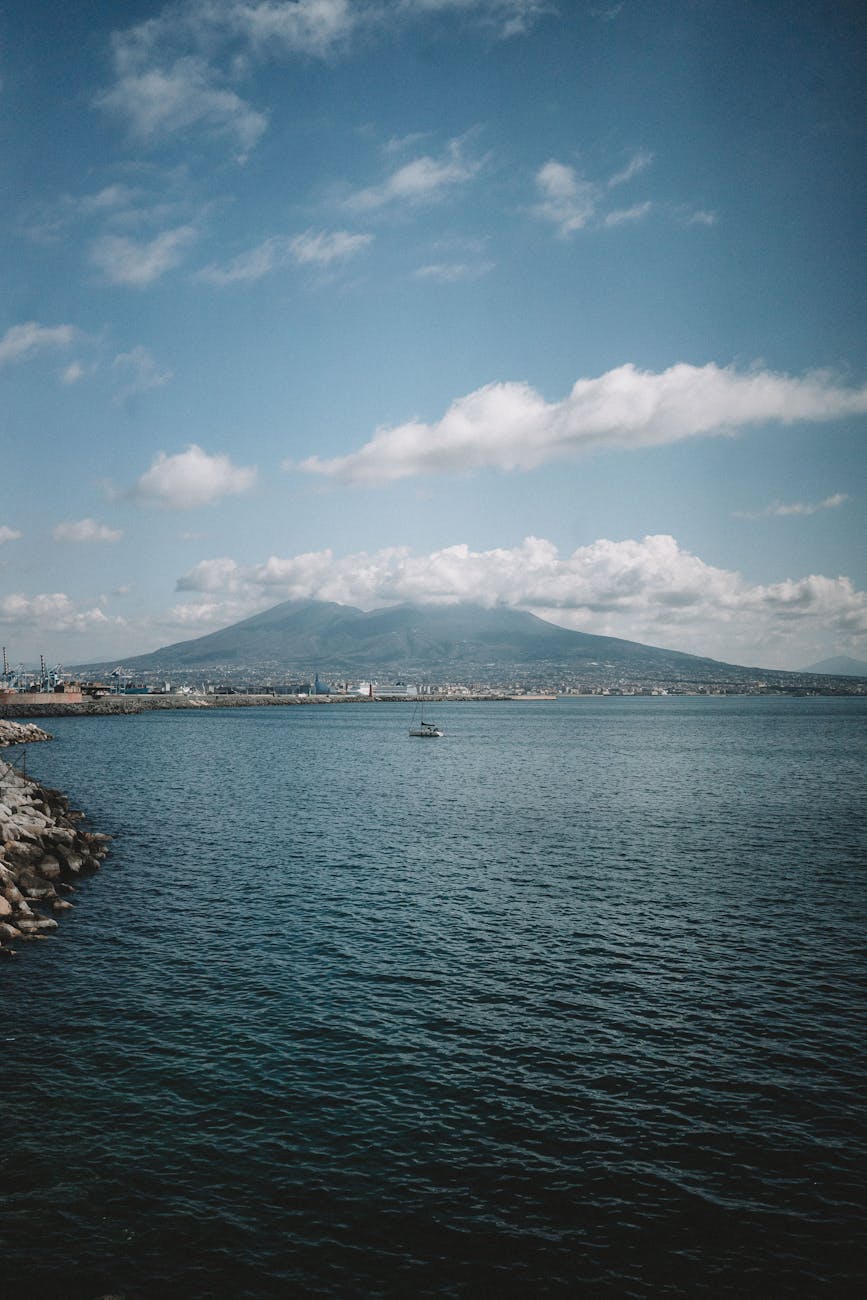
Reflecting on the Legacy of August 24
August 24 is Vesuvius Day, a day dedicated to remembering and reflecting upon the eruption of Mount Vesuvius that occurred in 79 AD. This catastrophic event, which buried the Roman cities of Pompeii and Herculaneum under a thick blanket of volcanic ash and pumice, remains one of the most famous and devastating volcanic eruptions in history. Vesuvius Day serves as a poignant reminder of the power of nature and the enduring legacy of the ancient cities that were lost.
The Eruption of Mount Vesuvius
The eruption of Mount Vesuvius is a historical event that has captivated historians, archaeologists, and the general public for centuries. The eruption began on August 24, 79 AD, and lasted for about 24 hours. It was a cataclysmic event that profoundly impacted the region and the course of history.
The Disaster Unfolds
On that fateful day, Vesuvius erupted with a violent explosion that spewed volcanic ash, pumice, and gas high into the atmosphere. The eruption was so intense that it created a column of ash that reached an estimated height of 33 kilometers (20 miles). The falling ash and pumice rained down on the cities of Pompeii and Herculaneum, burying them under several meters of debris.
The cities were rapidly engulfed by the eruption, with the hot ash and gases causing buildings to collapse and suffocating the inhabitants. The event preserved a snapshot of Roman life in the first century, as the ash created a protective layer that effectively froze the cities in time.
The Aftermath
It wasn’t until the 16th century that the ruins of Pompeii and Herculaneum were rediscovered. Excavations began in earnest in the 18th century, and they continue to this day. The archaeological sites have provided invaluable insights into Roman society, architecture, and daily life. Artifacts, frescoes, and even the plaster casts of victims have offered a unique window into the past.
Celebrating Vesuvius Day
Vesuvius Day is an opportunity to reflect on the historical significance of the eruption and its impact on our understanding of ancient civilizations. Here are some ways to commemorate the day:
1. Visit Pompeii or Herculaneum
If you have the chance to visit Pompeii or Herculaneum, August 24 is a meaningful time to explore these ancient cities. Walking through the preserved streets, homes, and public buildings provides a profound connection to the past and a tangible sense of the eruption’s impact.
2. Learn About the History
Take the time to read about the eruption of Mount Vesuvius and the archaeological findings. Books, documentaries, and online resources offer a wealth of information about the event, the cities, and the ongoing research that continues to reveal new insights.
3. Participate in Educational Events
Many museums and educational institutions hold special events or lectures on Vesuvius Day. These events often feature talks by experts in archaeology, volcanology, and history, providing an opportunity to deepen your understanding of the eruption and its significance.
4. Reflect on the Power of Nature
Use Vesuvius Day as a moment to reflect on the power of natural events and their impact on human history. Consider how volcanic eruptions, earthquakes, and other natural phenomena shape civilizations and influence our understanding of the world.
5. Share on Social Media
Share interesting facts and insights about the eruption of Mount Vesuvius on social media. Use the hashtag #VesuviusDay to connect with others who are commemorating the day and to spread awareness about this significant historical event.
Fun Facts About Mount Vesuvius and the Eruption
Here are some intriguing facts about Mount Vesuvius and the eruption that occurred on August 24, 79 AD:
1. The Eruption Was Documented
One of the most remarkable aspects of the Vesuvius eruption is that it was documented by a contemporary writer. Pliny the Younger, a Roman author and lawyer, wrote detailed letters describing the eruption and its effects. His accounts provide valuable first-hand observations of the disaster.
2. The Cities Were Buried
Pompeii and Herculaneum were buried under approximately 4 to 6 meters (13 to 20 feet) of volcanic ash and pumice. In some areas, the debris reached a depth of 10 meters (33 feet). The thick layer of ash acted as a natural preservative, protecting many buildings and artifacts from the ravages of time.
3. Plaster Casts of Victims
One of the most poignant discoveries at Pompeii is the plaster casts of victims. Archaeologists injected plaster into the voids left by decomposed bodies to create casts that show the final positions of the people who perished in the eruption. These casts provide a haunting and humanizing glimpse into the tragedy.
4. Vesuvius Is Still Active
Mount Vesuvius is still an active volcano. It remains one of the most closely monitored volcanoes in the world due to its history of violent eruptions and its location near densely populated areas. The volcano’s last major eruption occurred in 1944, and scientists continue to study its activity to assess potential risks.
5. The Rediscovery of Pompeii
The ruins of Pompeii were rediscovered in 1599, but serious excavation only began in the 18th century. The site has been a source of fascination and scholarly study, revealing a wealth of information about Roman life, architecture, and art.
Conclusion
Vesuvius Day on August 24 offers a chance to reflect on the historical significance of the eruption of Mount Vesuvius and its impact on our understanding of ancient civilizations. By exploring the ruins of Pompeii and Herculaneum, learning about the event, and participating in educational activities, we honor the memory of those who lived through this dramatic moment in history. As we remember the power of nature and the resilience of human achievement, Vesuvius Day serves as a reminder of the enduring legacy of this ancient disaster and the ongoing efforts to preserve and understand our past.
Celebrate Vesuvius Day
As an Amazon Associate we earn from qualifying purchases. These links open Amazon search results.