Young Readers Day
What the day is
Young Readers Day is observed on the second Tuesday in November. Schools use it to promote reading for pleasure, as distinct from reading for instruction.
Origin and background
The distinction matters more than it sounds. Reading attainment and reading enjoyment are separate measures, and the second predicts a great deal. Children who read for pleasure tend to do better across subjects, including mathematics, and the association holds after accounting for family background. Enjoyment, meanwhile, declines steadily through the school years in most countries that track it.
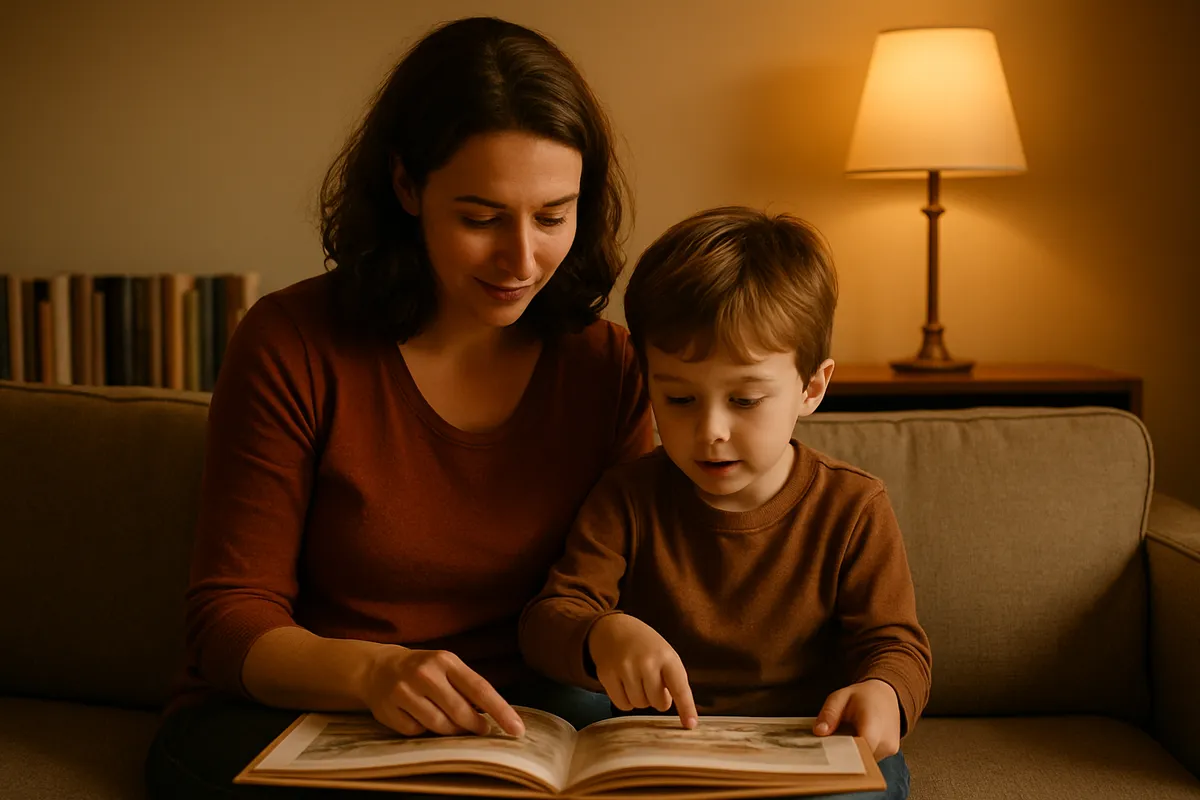
Two findings are consistently useful to parents. The first is that reading aloud to children remains valuable well past the age they can read independently, because listening comprehension outruns reading ability for years; a child who can decode simple chapter books can follow and enjoy a far more demanding story read to them. Stopping at the point of independence removes that.
The second is choice. Children read more when they select their own material, including comics, non-fiction, series books and anything an adult considers insufficiently literary. The volume of reading, rather than its prestige, is what builds fluency.
Access is the constraint that policy can actually move. The number of books in a home correlates with reading outcomes, and school and public libraries do most of the equalizing work, which is why library closures show up in attainment data.
How to take part
- Read aloud to a child, including an older one. Twenty minutes is plenty.
- Let them choose, without steering toward what you think they should like.
- Join the library and go regularly. The habit of going matters as much as the books.
- Let them see you read. Modeling is a stronger influence than encouragement.
- Donate books that are actually wanted; school libraries usually publish a list.
- Keep reading a reward rather than a chore. Bedtime reading as a privilege to be extended works better than as a task to be completed.
Celebrate Young Readers Day
As an Amazon Associate we earn from qualifying purchases. These links open Amazon search results.