Belgian National Day
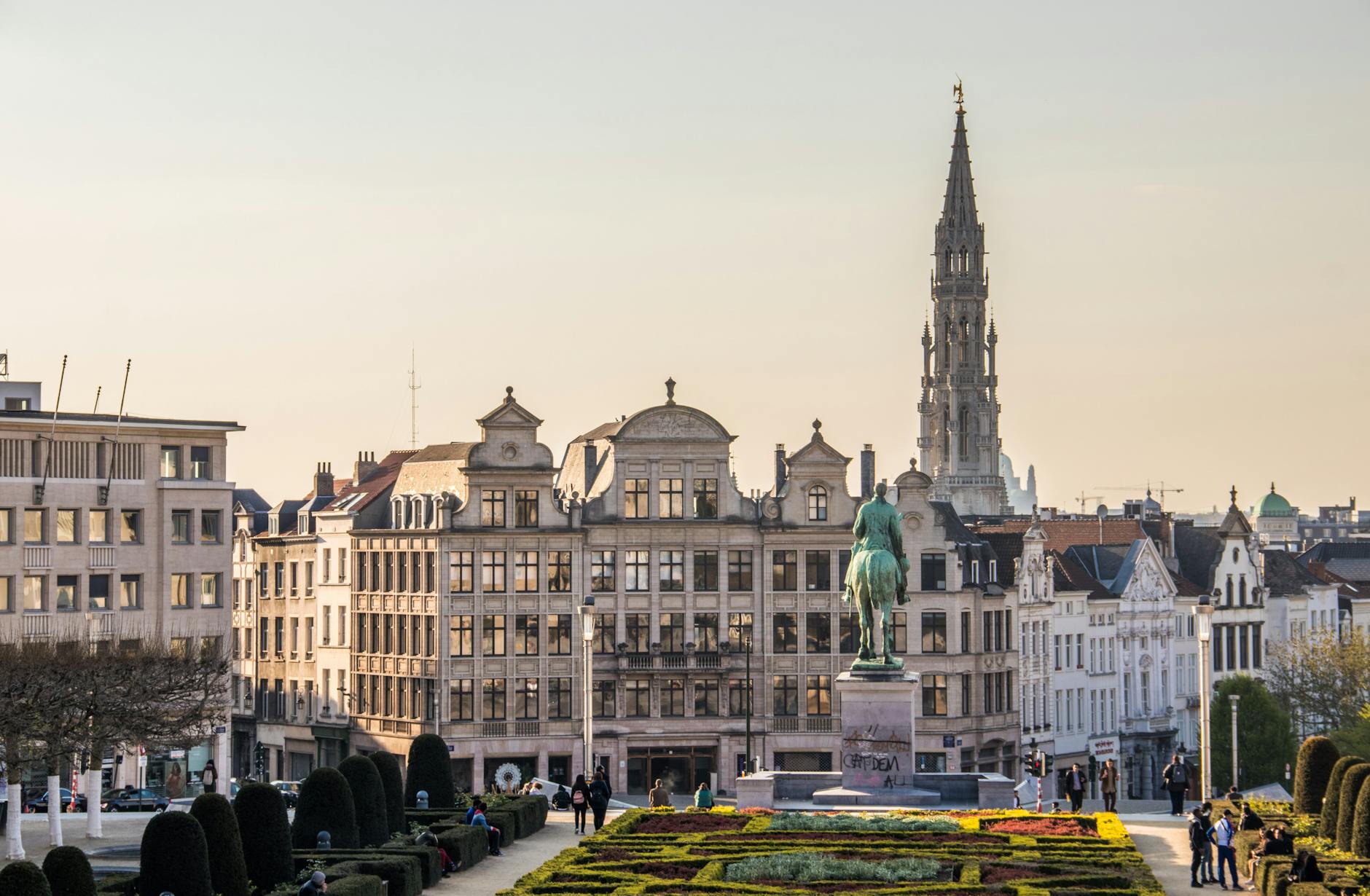
A Celebration of Unity and Heritage
Introduction
Belgian National Day, observed on July 21st each year, is a festive occasion that commemorates the unity and cultural heritage of Belgium. This day holds significance in Belgian history, marking the anniversary of the ascension of King Leopold I to the throne in 1831 and the establishment of the Belgian monarchy. On Belgian National Day, Belgians and visitors alike come together to celebrate their nation’s rich history, diverse culture, and contributions to Europe and the world. In this blog post, we will delve into the origins of Belgian National Day, explore its historical context, and highlight the traditions and celebrations that make this holiday special.
The Origins of Belgian National Day
Independence and Sovereignty
Belgian National Day traces its origins to the Belgian Revolution of 1830-1831, a period of political upheaval when Belgium seceded from the United Kingdom of the Netherlands and asserted its independence. On July 21, 1831, Leopold of Saxe-Coburg and Gotha took the oath as the first King of the Belgians, marking the establishment of the Belgian monarchy and the beginning of a new era of sovereignty.
Symbol of Unity
Belgian National Day serves as a symbol of unity and national pride, bringing together Belgians from different regions and linguistic communities—Flemish, Walloon, and Brussels-Capital Region—to celebrate their shared identity and collective achievements as a nation.
Historical Context of Belgian National Day
Belgian Revolution
The Belgian Revolution of 1830-1831 was fueled by political grievances, cultural differences, and aspirations for independence. Inspired by the July Revolution in France, Belgian revolutionaries sought to break away from Dutch rule and establish a sovereign state based on principles of liberty, equality, and fraternity.
International Recognition
The independence of Belgium was formally recognized by major European powers through the Treaty of London in 1839, solidifying Belgium’s status as a neutral and independent nation. This diplomatic achievement laid the foundation for Belgium’s role as a key player in European politics and international affairs.
Traditions and Celebrations
Military Parade
One of the highlights of Belgian National Day is the military parade held in Brussels, the capital city. The parade showcases Belgium’s military prowess, with troops, armored vehicles, and aircrafts marching through the city streets. It is attended by members of the royal family, government officials, and dignitaries, symbolizing national unity and defense readiness.
Fireworks and Festivities
In addition to the military parade, Belgian National Day is celebrated with fireworks displays, concerts, street festivals, and cultural performances across the country. Cities and towns come alive with colorful decorations, music, and culinary delights, offering a vibrant atmosphere for locals and visitors to enjoy.
Royal Address and Ceremonies
The Belgian royal family plays a central role in the celebrations, attending official ceremonies, addressing the nation, and participating in public events. The King’s Speech, delivered on the eve of Belgian National Day, reflects on the state of the nation, highlights achievements, and outlines future aspirations.
Cultural Heritage and Cuisine
Belgian Cuisine
Belgian National Day is an opportunity to indulge in Belgium’s renowned culinary delights. From Belgian waffles and chocolate to moules-frites (mussels and fries) and hearty Belgian beers, the country’s cuisine reflects its diverse cultural influences and gastronomic traditions.
Cultural Exhibitions and Performances
Throughout Belgian National Day celebrations, cultural institutions, museums, and galleries host exhibitions, performances, and workshops that showcase Belgium’s artistic heritage, literature, music, and dance. These events highlight the country’s cultural diversity and creativity.
Conclusion
Belgian National Day on July 21st is a celebration of unity, heritage, and national pride that honors Belgium’s rich history and contributions to Europe and the world. From its origins in the struggle for independence to its vibrant modern-day festivities, this holiday symbolizes resilience, diversity, and solidarity among Belgians. As the nation gathers to commemorate its past achievements and look towards the future, Belgian National Day continues to serve as a reminder of the values of liberty, unity, and cultural diversity that define Belgium as a nation. So, on July 21st, join in celebrating Belgian National Day with joy, pride, and a deep appreciation for the nation’s enduring spirit.
Celebrate Belgian National Day
As an Amazon Associate we earn from qualifying purchases. These links open Amazon search results.